Wondering whether loft living in Toronto’s Distillery District is all charm and no practicality? If you are drawn to exposed brick, cobblestone streets, and a neighborhood with a story, this pocket of downtown east Toronto offers something few areas can match. You will find a rare mix of heritage character, modern condo living, and a walkable cultural setting that feels distinct from the rest of the city. Let’s take a closer look.
Why the Distillery District Stands Out
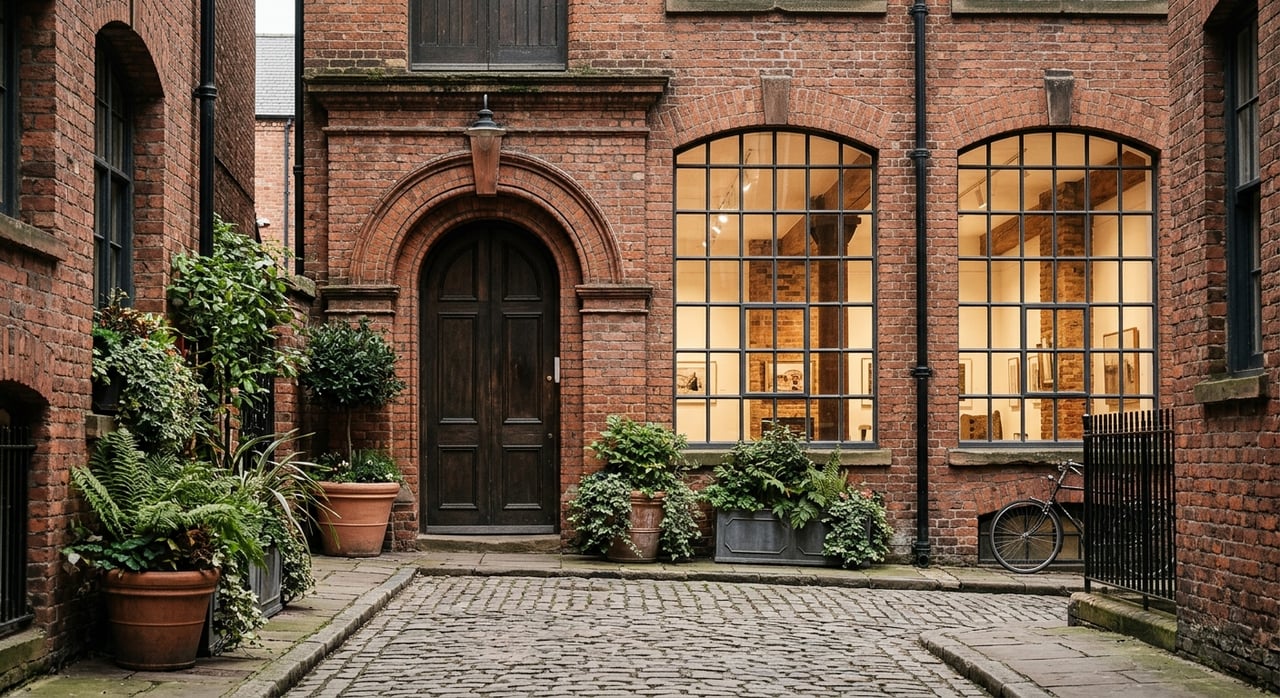
The Distillery District is a 13-acre walking district built around the former Gooderham & Worts distillery, founded in 1832. The area is known for its restored Victorian industrial setting and its role as a year-round destination for arts, dining, and retail.
Its identity is deeply tied to preservation. City and district materials describe a restored collection of heritage buildings and industrial artifacts, which gives the area a sense of place that feels more layered than a typical condo neighborhood.
Heritage Character Shapes Daily Living
If you live here, you are not just buying square footage. You are stepping into a heritage-sensitive district where the historic context plays an important role in how the neighborhood looks and evolves.
City materials show that the Distillery District heritage study has been completed. A 2023 staff report also noted that while the Heritage Conservation District plan had not yet been finalized at that time, the area was already governed by heritage easement agreements and site-specific zoning.
That matters because it helps explain why the district feels visually consistent. In practical terms, new construction and changes are expected to fit the historic setting rather than overpower it.
What “Loft Living” Means Here
Loft living in the Distillery District is not one single product type. The residential mix includes boutique loft-style homes, low-rise residences, and newer mixed-use condo towers within the same broader setting.
That makes this neighborhood different from a standard downtown condo cluster. Here, the appeal often comes from the contrast between old industrial architecture and contemporary residential design.
Boutique Loft Options
One clear example is Trinity Lofts at 2 Eastern Avenue. It is an 8-storey boutique building with 81 lofts and 2 townhomes, with features that include 9-foot ceilings, hardwood floors, open-concept layouts, and suite sizes ranging from 509 to 1,700 square feet.
For buyers who want a more intimate scale, this kind of building often represents the loft side of the Distillery District story. The feel is more design-forward and closely tied to the area’s heritage character.
Contemporary Condo Towers
The neighborhood also includes taller residential buildings. City planning records identify 33 Mill Street, also known as Pure Spirit, as a 32-storey condominium completed in 2008.
Additional residential buildings noted in the same planning record include 70 Mill Street as a 12-storey condominium, 80 Mill Street as a 14-storey condominium, and 39 Parliament Street as a 12-storey condominium. Separate city records also identify Clear Spirit as a 40-storey mixed-use condominium and Gooderham as a 37-storey mixed-use condominium.
These buildings offer a different version of Distillery District living. You still get the neighborhood’s historic atmosphere, but in a more contemporary high-rise format.
Loft vs Condo in the Distillery District
If you are comparing options, the main difference often comes down to scale, atmosphere, and how directly the home connects to the district’s heritage feel.
| Home Type | General Feel | Typical Appeal |
|---|---|---|
| Boutique loft-style residences | More intimate, design-driven, heritage-adjacent | Buyers seeking character and a smaller-scale building experience |
| Contemporary condo towers | More modern, vertical, mixed-use | Buyers wanting newer tower living within a historic neighborhood |
Because the district is only 13 acres and much of its built fabric is heritage-protected, supply is naturally limited. That constraint helps preserve the area’s identity and can make the residential market feel more specialized than expansive.
What Daily Life Feels Like
The Distillery District is designed around walking. The district’s official materials explicitly describe it as a walking district, which shapes everything from the streetscape to the overall pace of daily life.
If you value being able to step outside and immediately access cafes, restaurants, galleries, and public spaces, that pedestrian focus can be a major draw. It creates a more immersive neighborhood experience than many condo areas built around wider roads and heavier car traffic.
A Pedestrian-First Setting
The cobblestone streets are part of the charm, but they are also naturally uneven. The district notes that ramp access, accessible parking, and accessible washrooms are available across the site.
That is useful context if you are thinking about everyday convenience, guests, or accessibility needs. The beauty of the historic setting comes with some real-world texture.
Parking and Car Use
Living here does not mean parking disappears, but it does mean the area is less car-centric than many other neighborhoods. Paid public parking is available throughout the site, including lots along Distillery Lane and at 70 Distillery Lane, along with nearby off-site parking.
For many buyers, the better question is not whether you can have a car, but whether you want your day-to-day lifestyle centered around one. In this district, walking tends to lead the experience.
Transit Access in and Around the District
Transit is one of the area’s practical strengths. The TTC’s 504 King route serves Distillery Loop, with the 504A branch operating between Dundas West Station and Distillery Loop all day, every day.
During the Distillery Winter Village season, the TTC also increases service on the 65 Parliament and 121 Esplanade-River routes. That added service reflects how active the district becomes during major event periods.
Looking ahead, the future Ontario Line Distillery District Station is planned near King and Berkeley. Metrolinx says the station will be steps away from the district, with 26,400 residents within a 10-minute walk and an estimated 4,100 people using the station during the busiest travel hour.
Culture Is Part of the Address
One of the biggest reasons buyers look here is lifestyle. The Distillery District is home to more than 40 boutiques, along with galleries, studios, restaurants, cafes, and theatres.
Current gallery programming includes Arta Gallery, Beauchamp Art Gallery, Corkin Gallery, Deaf Culture Centre, Dish Gallery + Studio, and Thompson Landry Galleries. Dining options listed by the district include El Catrin, Madrina, Pure Spirits, Cluny Bistro & Boulangerie, and Mill Street Brewpub.
The area’s cultural identity is also anchored by Soulpepper and the Young Centre for the Performing Arts. Add in year-round programming like Art After Hours and guided walking tours, and it becomes clear that this is a neighborhood where public life is part of the appeal.
The Trade-Off: Energy and Crowds
The same energy that makes the district memorable can also make it busy. This is not a quiet, tucked-away condo pocket.
The Distillery Winter Village alone attracts more than 1 million visitors over 52 days, according to district vendor materials. The City of Toronto has also asked staff to review traffic and parking impacts tied to the event.
For some buyers, that level of activity is a feature. For others, it may feel too public-facing, especially during peak seasons.
Who Loft Living Here Suits Best
The Distillery District tends to appeal to buyers who value character, walkability, design, and culture over a more conventional condo environment. If you want a home with a strong sense of place, this neighborhood offers that in a way few downtown areas can.
It may be especially appealing if you are looking for a distinctive address rather than the largest possible inventory. The mix of heritage setting, limited supply, and varied building types gives the market a curated feel.
That said, the fit is personal. If you prefer quieter streets, more car-oriented convenience, or a more typical tower district, other neighborhoods may feel easier day to day.
Final Thoughts on Distillery District Lofts
Loft living in the Distillery District is really about choosing a lifestyle as much as a home. You are buying into a historic, pedestrian-first, culturally active neighborhood where architecture and atmosphere matter.
For the right buyer, that combination can be hard to replicate elsewhere in Toronto. If you are considering a loft, boutique condo, or high-rise residence in this area, working with a specialist who understands both the building mix and the nuances of downtown luxury can make your search far more efficient.
If you want discreet guidance on distinctive condo living in Toronto, Penthouse Queen offers a refined, concierge-level approach tailored to high-value urban residences.
FAQs
What makes Distillery District loft living different from a standard downtown condo?
- Distillery District loft living stands out for its heritage setting, pedestrian-only character, and mix of boutique loft-style homes and newer condo towers within a restored Victorian industrial environment.
What types of homes are available in Toronto’s Distillery District?
- The district includes loft-style residences, boutique low-rise homes, and contemporary mixed-use condo towers such as Trinity Lofts, Pure Spirit, Clear Spirit, and Gooderham.
How walkable is the Distillery District in Toronto?
- The Distillery District is officially described as a 13-acre walking district, with daily life centered around pedestrian access to shops, dining, galleries, and cultural venues.
What are the parking options in the Distillery District?
- Paid public parking is available across the site, including along Distillery Lane and at 70 Distillery Lane, with nearby off-site parking also available.
What transit serves the Distillery District in Toronto?
- The TTC 504 King route serves Distillery Loop, the 504A branch runs all day every day, and the future Ontario Line Distillery District Station is planned near King and Berkeley.
How busy does the Distillery District get during major events?
- The area can get very busy, especially during the Distillery Winter Village, which attracts more than 1 million visitors over 52 days and brings added traffic and parking pressure.
Who is a good fit for a loft or condo in the Distillery District?
- This neighborhood is often a strong fit if you value heritage character, cultural programming, design, and a walkable lifestyle more than car-centric convenience or a conventional condo setting.