In luxury real estate, one of the most misunderstood concepts is why certain high-end properties sit on the market while others generate immediate demand.
Many assume the issue is pricing.
But in reality, some of the world’s most exceptional luxury properties fail for an entirely different reason: positioning.
I’ve seen architecturally stunning penthouses, waterfront estates, and trophy residences remain stagnant for months — not because they lacked value, but because they lacked the right narrative.
In the luxury market, buyers are not simply purchasing square footage or finishes.
They are buying:
- Identity
- Exclusivity
- Lifestyle
- Status
- Emotion
And that changes everything about how a property should be marketed.
Luxury Buyers Don’t Think Like Traditional Buyers
Traditional real estate marketing often focuses heavily on features:
- Number of bedrooms
- Ceiling heights
- Imported materials
- Appliance brands
- Amenities
While those details matter, features alone rarely create emotional desire at the luxury level.
Luxury buyers expect exceptional features as the baseline.
What truly influences them is how a property makes them feel.
- Does the residence feel rare?
- Does it feel aspirational?
- Does it represent a level of success they identify with?
The most successful luxury listings understand this psychological shift.
They are not marketed as homes. They are positioned as experiences, statements, and legacy assets. That's what they are chasing - a home anyone can own, but an asset? A legacy piece? That doesn't come around often.
Positioning Creates Perceived Value
A luxury penthouse should never feel like just another listing.
It should feel like:
- A private sanctuary above the city
- A collector-grade asset
- A symbol of achievement
- A lifestyle unavailable to most people
Because in luxury real estate, perception shapes value as much as the property itself.
This is why two seemingly similar luxury properties can perform completely differently in the market.
One becomes highly sought after.
The other becomes forgettable.
The difference is often branding, storytelling, and strategic presentation.
The New Era of Luxury Real Estate Marketing
The strongest luxury listings today are not winning solely because of pricing strategy.
They are winning because they understand modern luxury positioning.
That includes:
- Cinematic storytelling (Hire someone - it will help)
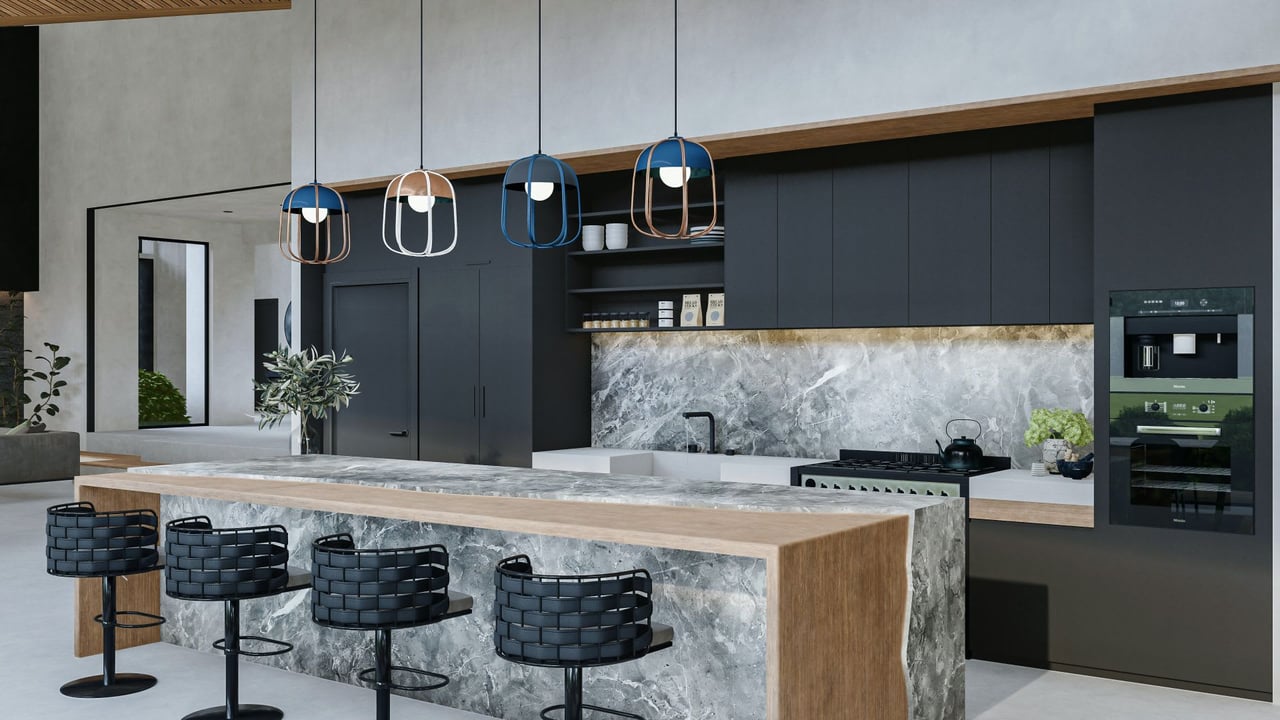
- Editorial-quality visuals (A picture is worth a thousand words)
- Sophisticated brand identity (Does this appeal to who you are as a realtor?)
- Emotion-driven marketing (Let your future buyer feel like this is what they're lacking!)
- Strategic exclusivity (Make your buyer feel like they're special)
- Carefully curated exposure (These require 'out of the box' thinking)
Luxury marketing today increasingly resembles the world of fashion, hospitality, and luxury lifestyle brands.
The goal is not simply visibility.
The goal is desire.
One of the Biggest Luxury Mistakes: Overexposure
One of the most damaging mistakes sellers and agents make in luxury real estate is overexposure.
Luxury loses power when it feels too available.
When a property appears everywhere, is constantly discounted, or lacks curation in how it is presented, it can quickly lose its sense of rarity.
Exclusivity is part of the value proposition.
The most effective luxury marketing strategies often rely on selective exposure, private networks, invitation-only opportunities, and highly intentional branding.
Not every buyer should feel like they have access.
That tension is what creates prestige.
The Future of Luxury Real Estate Belongs to Brands
The future of luxury real estate belongs to properties positioned like luxury brands — not commodities.
The agents and companies that understand branding, storytelling, psychology, media, and emotional marketing will define the next generation of luxury real estate.
Because at the highest level, buyers are not just choosing a property.
They are choosing what that property says about them.
And the listings that communicate that successfully will always outperform the ones that simply list features and wait for the market to respond.


