Is your Rosedale heritage home tough to price? You are not alone. Sellers and trustees often wrestle with how much the lot, provenance, renovations, and heritage status really add or subtract. You want a premium result without misreading the market or overinvesting. In this guide, you will learn the four drivers that set price bands in Rosedale, how to weigh as‑is versus renovate‑first decisions, and exactly how to position your property for a best‑case outcome. Let’s dive in.
Why Rosedale buyer demand is unique
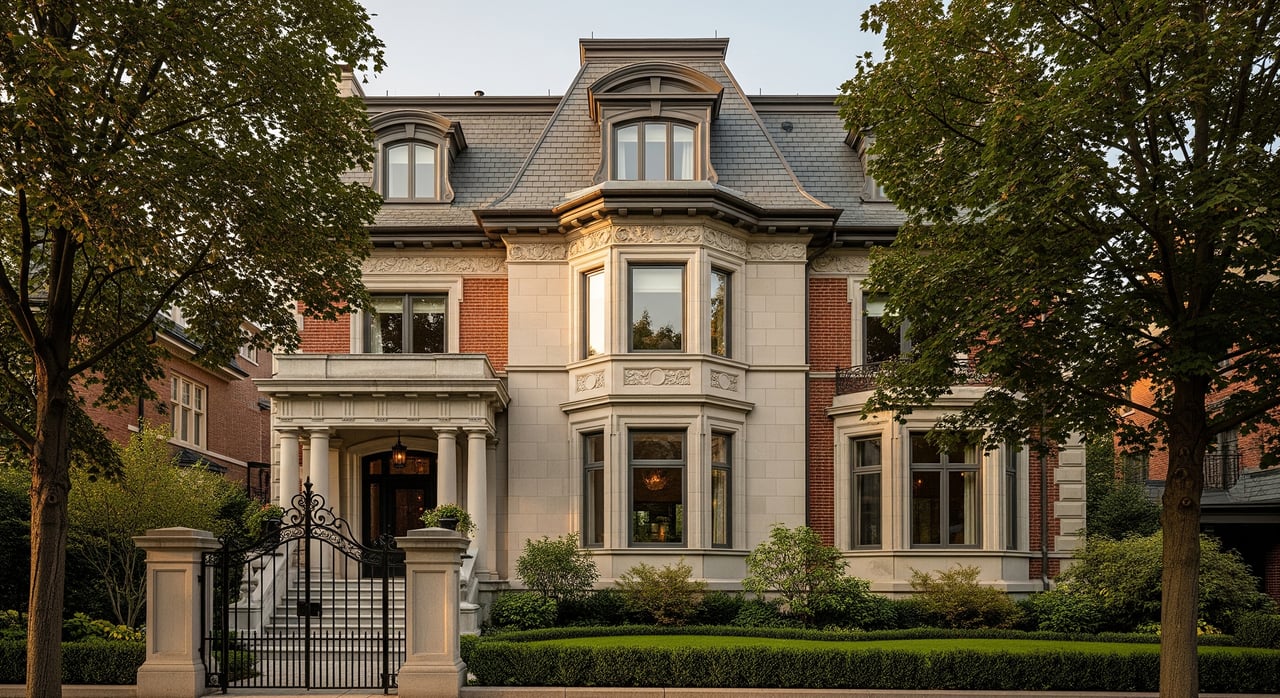
Rosedale blends the best of central Toronto living with historic character. Mature trees, parkland, and generous lot patterns shape buyer preferences, and most homes are detached with architectural significance. This mix draws high‑income families, prestige‑minded downsizers, and buyers who collect notable homes.
In the luxury segment, demand is cyclical and influenced by interest rates, lending policies, and international sentiment. Inventory for exceptional heritage properties is usually limited. When demand is strong, scarcity and a property’s story can support a meaningful premium. When uncertainty rises, buyers become selective and discount for near‑term renovation costs or regulatory unknowns.
The bottom line: authenticity, location, and clarity around condition and approvals are what buyers pay for. Uncertainty and looming costs are what they discount.
The four factors that set price
Lot: size, shape, and potential
Lot size, frontage, and orientation are major value drivers in Rosedale. Larger, usable outdoor spaces, driveways, and garages are prized, and they expand the pool of future possibilities. Where zoning and approvals allow, expansion or redevelopment potential can push pricing toward replacement‑value comparisons rather than strictly preserved‑heritage comps.
When you price, consider two parallel paths: value as modernized in place, and value if the lot’s highest and best use supports a larger build. Buyers will run both scenarios. You should too.
Provenance: architect and history
Verified provenance can elevate a listing from attractive to rare. A known architect, documented original details, notable former owners, and archival material create cultural cachet that prestige buyers recognize. The more credible the documentation, the stronger the pricing support.
If the property has been heavily altered without records, the provenance premium narrows. Build your “heritage file” so buyers can see and trust the story.
Renovations: scope, quality, timing
Buyers want the romance of period character with the comfort of modern living. Cosmetic updates that respect the era, plus modern kitchens and baths, help the home pass the “move‑in” test. Systems upgrades like HVAC, electrical, roofing, and insulation reduce risk for buyers and can lead to better net pricing and faster sales.
Full restorations that keep the character can command the highest premiums, but they require significant capital, specialized trades, and time. For most sellers and trustees, targeted, high‑impact updates often deliver the best risk‑adjusted return.
Heritage status: benefits and constraints
In Toronto, a property can be individually designated or included in a Heritage Conservation District under the Ontario Heritage Act. Designation can enhance prestige and protect streetscape quality. It can also add approval steps and extend timelines for changes.
Buyers value transparency. Provide clear documentation of the designation type, previous approvals, and what changes are likely to be permitted. Clarity widens the buyer pool and supports firmer pricing.
A valuation approach that works in Rosedale
Comps that matter
Segment your comparable sales into four buckets:
- Renovated heritage with modern systems
- Preserved or fully restored heritage
- As‑is with major work required
- Redevelopment or rebuild candidates, if lot potential applies
Match on lot size and frontage, interior area, number of principal rooms, modernization level, parking or garage, designation status, and any documented provenance. Adjust for systems condition, expected remedial costs, and any heritage constraints that may limit alterations.
Price per square foot is a blunt tool for older, irregular floor plates. Supplement with price per lot area and absolute dollar adjustments for big‑ticket systems work.
Price bands and positioning
Most properties fall into one of three price bands:
- Premium/Prestige: larger lots, documented provenance, period character intact, and modern systems. These command top‑of‑market pricing relative to Rosedale peers.
- Core Market: good character with partial updates, appealing to mainstream luxury buyers who want heritage charm plus contemporary convenience.
- Value/As‑Is: significant systems work or major modernization required, priced with a visible discount that reflects costs, approvals, and timelines.
Use scenario planning. Present best‑case (after a strategic renovation), most‑likely (targeted updates), and as‑is outcomes with associated cost and time ranges. Buyers will model these paths, so meet them there.
Appraisal and expert support
For trust or estate sales, an appraiser with heritage experience can provide defensible valuation inputs. Your agent’s broker comps should include permit history, condition notes, and rationale for adjustments. This is especially important when fiduciary duty requires a clear record of how pricing was set.
Renovate or sell as‑is? A simple framework
When to renovate first
Consider renovating before listing when:
- The projected sale premium clearly exceeds renovation plus holding costs.
- Permitting is predictable, with limited heritage conflicts.
- The work broadens the buyer pool, such as modernizing kitchens and baths or upgrading systems.
- The ownership has the time and capital to execute well.
When to sell as‑is
An as‑is sale can be the right move when:
- Renovation costs are high with an uncertain payoff.
- Heritage restrictions limit the desired changes.
- A trust or estate needs a timely disposition.
- Specialist buyers are likely to pay for the restoration opportunity.
A smart hybrid
Complete targeted, low‑intervention updates that reduce risk perception, then market the home as “refreshed for contemporary living while preserving heritage character.” Examples include minor exterior repairs, service upgrades, lighting, paint, and a practical kitchen refresh that complements period details.
Prepare your property like a pro
Pre‑sale audit
Gather and prepare:
- A current property condition report
- Heritage designation paperwork and any conservation plans
- A list of permits, consultant reports, and contractor invoices
- Estimates from heritage‑experienced contractors and architects for likely repairs or modernization
For trustees, engage legal and tax advisors to confirm timing considerations and potential capital gains treatment.
Permits, timing, and approvals
Designated properties often require heritage reviews in addition to building permits. Budget extra time for consultations and specialized trades. Where possible, secure pre‑approvals or “no objection” letters for reasonable updates. These can be valuable marketing assets and help reduce buyer uncertainty.
Marketing and positioning
- Storytelling: lead with provenance, period features, and any sensitive conservation work completed.
- Visuals: commission high‑quality photography, floor plans, and 3‑D tours that highlight the lot, garden, and livability of key rooms.
- Targeted reach: focus on private networks, architectural circles, and qualified luxury channels. Pre‑market showings can surface motivated buyers who collect heritage properties.
- Transparency: provide a curated heritage file with permits, reports, and warranties. This can prevent late‑stage price negotiations and build confidence.
- Staging: blend period authenticity with modern function. Show how spaces perform for today’s lifestyles without erasing character.
Professionals to involve
- Heritage architect or consultant
- Appraiser with heritage and luxury experience
- Contractor skilled in conservation and restoration
- City heritage planning contact for clarity on scope and timelines
- Estate lawyer and tax advisor for trust or estate dispositions
A simple pricing worksheet you can use
Use this framework to align expectations and support your pricing narrative:
- Heritage profile: designation type, conservation district, permits on file
- Provenance notes: architect, archival materials, notable past ownership
- Lot summary: frontage, depth, orientation, driveway or garage, outdoor usability
- Condition snapshot: structure, roof, windows, HVAC, electrical, plumbing, insulation
- Interior updates: kitchen, baths, finishes, floor plan functionality
- Comparable sets: renovated heritage, preserved heritage, as‑is, redevelopment
- Adjustments: systems work, heritage constraints, provenance premium, parking
- Scenarios: as‑is price, targeted‑updates price, full‑renovation price; include cost and time ranges
- Marketing plan: storytelling, media assets, outreach channels, confidentiality strategy
How to capture a premium in Rosedale
Premium outcomes are earned before the listing goes live. Your advantage comes from three things: clarity, credibility, and curation. Clarify what can be done to the property. Document the story and condition so the value is credible. Curate your presentation and outreach so the right buyers see it and can act with confidence.
With a boutique, white‑glove approach and global reach, you can position a Rosedale heritage home as a once‑in‑a‑generation opportunity. That is how you achieve a premium over generic luxury comps.
Why work with Penthouse Queen on heritage listings
Although our core specialty is penthouses and trophy condominiums, we selectively represent legacy homes that require high‑caliber presentation and discreet, targeted exposure. With a founder‑led service model, curated storytelling, and international syndication through a premier network, we bring qualified, privacy‑minded buyers to the table.
- Boutique, concierge‑level handling that protects confidentiality
- Elevated presentation, from photography to immersive tours
- Precision pricing based on segmented comps and scenario planning
- Targeted outreach to architectural and luxury buyer circles
If you are weighing as‑is versus renovate‑first in Rosedale, we will build the decision model, assemble the right specialists, and position your home to capture the outcome you want.
Ready to make a smart pricing move for your heritage home? Request a private consultation with Penthouse Queen.
FAQs
Does heritage designation always lower value in Rosedale?
- Not necessarily, since designation can add prestige and protect the streetscape, but it may also narrow the buyer pool if approvals are complex or timelines are long.
How do I know if renovating before listing is worth it?
- Compare the expected price lift against renovation plus carrying costs and approval time, and proceed only if the premium is clear and the updates broaden buyer appeal.
What comps should I use for a Rosedale heritage home?
- Segment by condition and intent, including renovated heritage, preserved heritage, as‑is with major work, and redevelopment candidates that share similar lots and features.
How do trustees meet fiduciary duties when pricing?
- Document appraisals, market comps, and written cost estimates for repairs or updates, then record why you chose as‑is, hybrid, or renovate‑first based on net proceeds and timing.
Do buyers pay more for provenance and architectural pedigree?
- Yes, when the provenance is credible and the home’s character is intact, though the premium varies and should be supported by comparable sales with similar attributes.