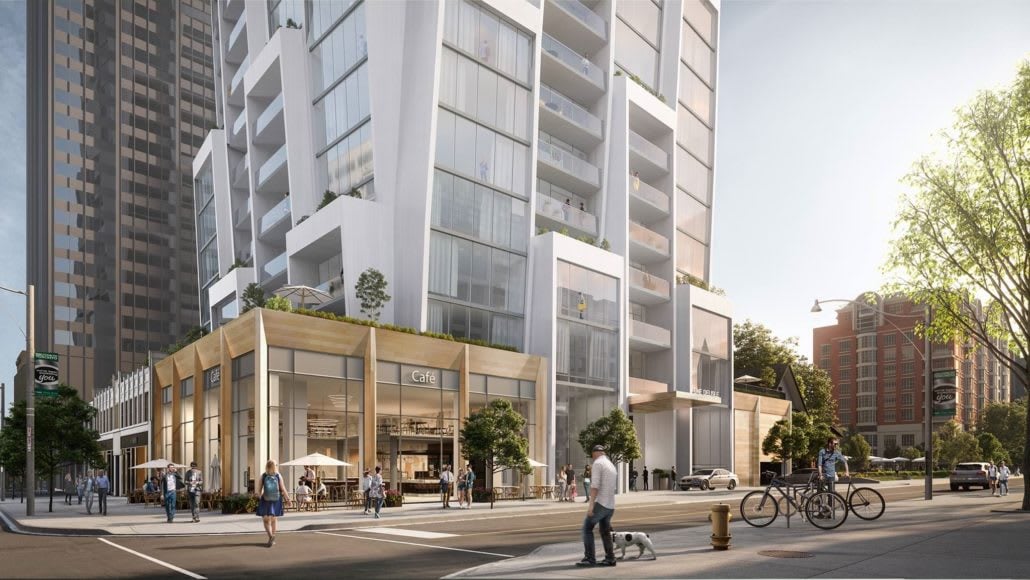
Luxury real estate is evolving.
The last decade celebrated scale. Glass towers. Amenity arms races. Height as status.
But by 2030, the definition of luxury will look different.
The next era won’t be driven by spectacle.
It will be defined by substance.
Investors, developers, and sophisticated buyers are already shifting their focus — not just toward what looks impressive today, but toward what will remain relevant in the next decade.
Here is what will matter most.
Governance Transparency Will Become a Core Value Driver
Luxury buyers are becoming more financially literate.
By 2030, governance transparency will no longer be a secondary consideration — it will be a pricing factor.
Condominium boards with:
-
Clear reserve fund planning
-
Disciplined maintenance structures
-
Transparent financial reporting
-
Proactive infrastructure upgrades
will command confidence.
And confidence supports premium pricing.
Buildings with weak governance or unpredictable special assessments will struggle — regardless of finishes.
In the next era, buyers won’t just evaluate units.
They will evaluate management.
Energy Efficiency Will Shift From “Nice to Have” to Essential
Sustainability is no longer a marketing theme.
It is becoming regulatory, economic, and generational.
Government-backed climate frameworks and urban planning policies across Canada and globally are tightening energy performance standards. Buildings that incorporate:
-
High-performance glazing
-
Advanced HVAC systems
-
Energy-efficient envelopes
-
Smart consumption monitoring
will age better financially.
Operating costs matter. Insurance costs matter. Environmental compliance will matter even more.
Luxury buyers — particularly next-generation wealth holders — are increasingly evaluating energy efficiency as part of long-term value strategy.
By 2030, inefficient buildings may trade at a discount.
Sustainability will become capital protection.
Boutique Buildings Will Outperform Mega-Towers
The amenity arms race is reaching saturation.
In the next era, exclusivity will shift away from scale and toward intimacy.
Boutique luxury buildings offer:
-
Fewer units per floor
-
Stronger privacy
-
Lower amenity maintenance complexity
-
Tighter community governance
-
Greater architectural distinction
Large-scale towers may still command attention — but boutique buildings will command loyalty.
Scarcity feels safer than spectacle.
And long-term value follows perceived safety.
Scarcity Will Matter More Than Ever
Urban land is finite.
Prime view corridors are finite.
Historic neighbourhood fabric is finite.
As development intensifies across major cities, truly irreplaceable assets will become increasingly rare.
South-facing penthouses with protected skyline views.
Historic homes on unreplicable streets.
Waterfront exposures shielded from future obstruction.
By 2030, luxury investors will prioritize:
-
Micro-location dominance
-
Unobstructable views
-
Limited comparable inventory
-
Architectural significance
Volume weakens leverage.
Scarcity strengthens it.
Privacy Will Become the Ultimate Premium
In a hyper-visible world, privacy is becoming aspirational.
Luxury buyers are placing higher value on:
-
Discreet entrances
-
Private elevators
-
Reduced unit density
-
Shielded outdoor spaces
-
Off-market transactions
As digital exposure increases, so does the desire for controlled access.
Privacy will not just be a feature.
It will be a differentiator.
And in many cases, it will justify pricing power.
The Shift from Display to Discipline
The next era of luxury real estate will not reward the loudest developments.
It will reward:
Financial strength.
Structural efficiency.
Architectural integrity.
Governance quality.
Protected scarcity.
By 2030, the market will increasingly separate:
High-end inventory
from
True investment-grade luxury.
The distinction will be clearer — and the premiums more pronounced.
The Strategic Takeaway
Luxury real estate is maturing.
Buyers are becoming more analytical.
Developers are being forced toward efficiency.
Investors are thinking longer-term.
The next era will belong to properties that combine:
Transparency
Sustainability
Exclusivity
Scarcity
Privacy
Not just height and amenities.
And those who understand that shift early will position ahead of it.