If you have ever wondered why some luxury neighborhoods hold buyer attention even when the broader market feels uncertain, Rosedale is a strong example. In Toronto, its appeal is not built on hype or short-term momentum. It is rooted in protected character, rare green space, and central access that is hard to duplicate. Let’s look at what keeps Rosedale luxury home values resilient.
Rosedale value starts with structure
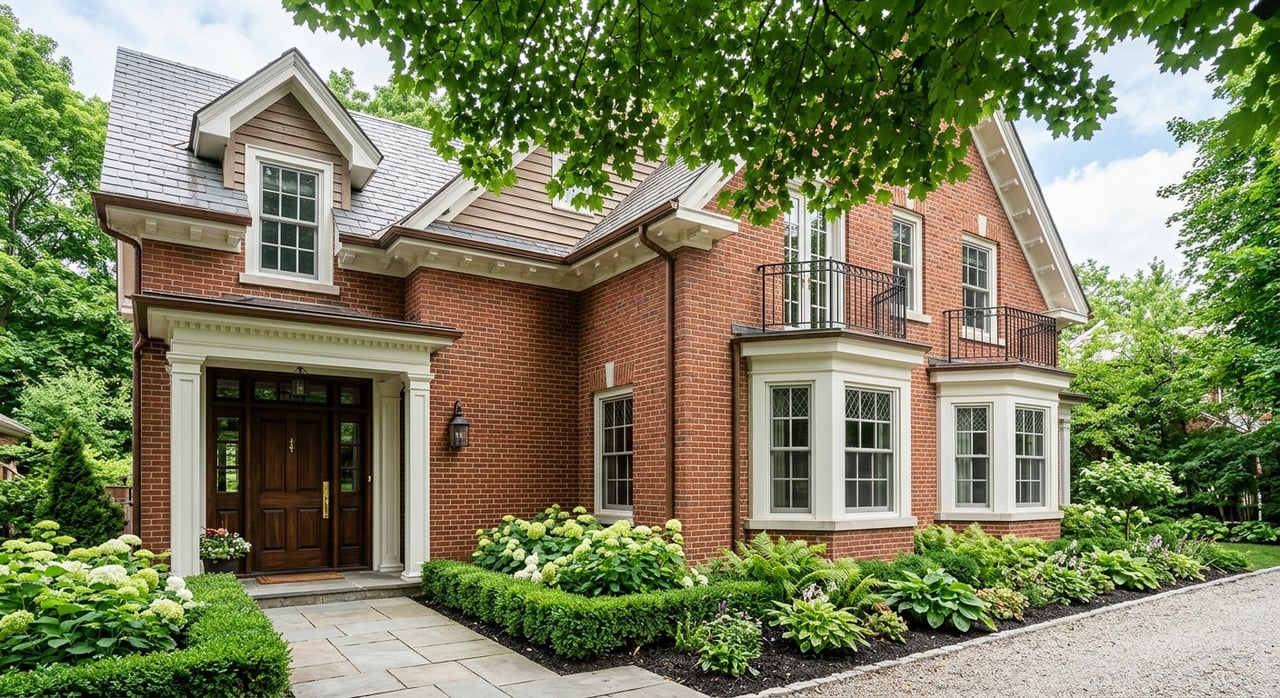
Rosedale’s luxury appeal is best understood as structural rather than speculative. The City of Toronto describes South and North Rosedale as an early picturesque suburb with varied architectural styles from the 1880s to the 1930s, mature tree canopy, park-like lots, and close proximity to downtown.
That matters because buyers are not just evaluating one house at a time. They are also weighing the setting around it, the consistency of the streetscape, and how likely that character is to remain intact over time. In Rosedale, those factors are part of the neighborhood itself.
Heritage protection supports continuity
Rosedale has heritage conservation districts
South and North Rosedale are both heritage conservation districts. According to the City, these districts are valued for their concentration of historic homes, links to prominent citizens and leading architects, curving streets, mature trees, and park-like setting.
For you as a buyer or seller, this means the area’s identity is not accidental. It is recognized and protected under the Ontario Heritage Act, with district plans that help manage change through a permit process.
Change is managed more carefully
The City explains that where there is a conflict, the heritage conservation district framework can prevail over zoning to the extent of that conflict. In practical terms, that means change in Rosedale is handled with more oversight than in a typical residential area.
This does not mean a property can never evolve. It means the broader look and feel of the neighborhood is less vulnerable to abrupt or out-of-place change, which helps support long-term appeal.
Streetscape matters as much as the home
One of the most important details in Rosedale is that prestige comes from more than individual architecture. The value story includes the full streetscape, including the rhythm of homes, mature landscaping, and the visual continuity created by the district.
For luxury buyers, that kind of consistency can carry real weight. It makes the neighborhood feel established, intentional, and difficult to replicate in newer enclaves.
Ravines and green space add rare scarcity
Toronto’s ravines shape Rosedale
Toronto’s ravine network is a defining part of the city, and Rosedale benefits directly from it. The City’s Ravine Strategy describes ravines as a natural, connected sanctuary and a key part of Toronto’s identity.
The same strategy notes that ravines help distinguish neighborhood boundaries. The City and TRCA have also estimated the ravine system’s ecosystem services at $822 million annually, which shows how significant this landscape is to the city as a whole.
Protected land helps preserve character
Ravine protection is not just about scenery. The Ravine and Natural Feature Protection By-law places limits on changes in protected areas, including removing trees, altering slopes, dumping fill, or building and replacing structures or retaining walls without authorization.
For the luxury market, this adds an important layer of scarcity. Protected green surroundings and low-rise character are not easy to reproduce elsewhere, especially in central Toronto.
Everyday trail access adds utility
Rosedale’s connection to nature is not abstract. The City says Milkman’s Lane has existed for more than 130 years and connects Rosedale to the Don Valley trail network and Don Valley Brick Works Park.
That kind of access can shape how you live in the neighborhood day to day. It gives residents a direct relationship with the ravine system, rather than treating green space as a distant amenity.
Public focus reinforces the landscape
The Ravine Strategy identifies the Moore Park and Yellow Creek Ravines as a priority investment area. That reinforces the idea that the broader green landscape around Rosedale remains a continuing public focus.
For buyers and sellers alike, this matters because enduring value is often tied to assets that are both meaningful and protected. In Rosedale, the ravine setting is clearly both.
Central access strengthens demand
Downtown proximity remains a major advantage
A key reason Rosedale stays relevant to affluent buyers is that it combines a calm residential setting with easy access to the urban core. The City specifically notes the neighborhood’s close proximity to downtown.
That combination is rare. Many areas offer either quiet residential character or high convenience, but not both at the same level.
Rosedale Station improves connectivity
The TTC places Rosedale Station at 7 Crescent Road, 43 metres east of Yonge Street, serving Line 1 with subway and surface-route connections. The TTC also notes that elevators are in service and that remaining work is scheduled to finish in spring 2026.
For you, this means central mobility is part of the neighborhood’s practical appeal. Whether your priorities lean toward business access, city dining, cultural destinations, or simple convenience, the location utility stays strong.
Privacy and centrality can coexist
Transit alone does not create luxury value. What makes Rosedale stand out is that it preserves a distinctly residential feel while remaining tightly linked to the city core.
That balance helps explain why buyer interest can remain durable even as preferences shift between detached homes, luxury condominiums, and other central neighborhoods. Rosedale offers access without giving up privacy and landscape.
What buyers should look at closely
Check heritage status early
If you are considering a Rosedale purchase, it helps to look beyond finish level and décor. One of your first questions should be whether the property sits inside a heritage conservation district.
That status can influence future renovation plans, approvals, and the way changes are reviewed. Knowing that early helps you assess both lifestyle fit and long-term flexibility.
Review ravine-related constraints
You should also confirm whether the lot touches ravine-protected land. If it does, work involving trees, slopes, structures, or retaining walls may require additional authorization.
These are not minor technical details. They can shape how a property can be improved, maintained, or expanded over time.
Think beyond interior finishes
In a neighborhood like Rosedale, luxury value is often layered. Interior quality matters, but so do the things outside the front door, including protected streetscape, mature canopy, and relationship to green space.
When you compare properties, it is smart to weigh all of those elements together. In many cases, they are what make one home meaningfully more resilient than another.
What sellers can leverage in Rosedale
Character is part of the value story
If you are selling in Rosedale, your home’s value is often tied to more than square footage or recent upgrades. Properties that still express the traits the district was created to protect, such as historic architecture, mature landscaping, and a street presence that fits the surrounding context, may align more closely with what makes the neighborhood scarce.
That is why presentation and positioning matter. In a luxury setting, buyers are often responding to the full story of the property and its place within the neighborhood.
Context should shape marketing
A Rosedale home should be marketed with attention to setting, not just interiors. The heritage backdrop, ravine adjacency, tree canopy, and proximity to downtown all help explain why the area continues to command interest.
For discerning buyers, those details can be as important as finishes and floor plans. They support the idea that the property offers something difficult to recreate elsewhere in Toronto.
Why Rosedale tends to stay resilient
Rosedale’s resilience is best framed as a layered product of heritage, green-space protection, and central access. Those are lasting fundamentals, not short-term signals.
That does not promise specific returns, and it should not be treated that way. But it does help explain why Rosedale remains one of Toronto’s most enduring luxury enclaves when buyers are looking for permanence, privacy, and a setting with real substance.
If you are considering a purchase or sale in this part of Toronto, a careful read of heritage context, ravine protections, and location utility can make a meaningful difference. For discreet, concierge-level guidance on select luxury homes and trophy residences, connect with Penthouse Queen.
FAQs
What makes Rosedale luxury home values resilient?
- Rosedale’s resilience is tied to protected heritage character, ravine and green-space protections, and close access to downtown Toronto.
Are South and North Rosedale protected heritage areas?
- Yes. South and North Rosedale are heritage conservation districts protected under the Ontario Heritage Act, with plans that help manage change through a permit process.
How do ravines affect Rosedale real estate?
- Ravines add scenic value, everyday trail access, and protected green surroundings, while by-laws can limit certain changes involving trees, slopes, and structures.
Where is Rosedale Station in Toronto?
- The TTC says Rosedale Station is at 7 Crescent Road, 43 metres east of Yonge Street, and serves Line 1 with subway and surface-route connections.
What should buyers check before buying a Rosedale luxury home?
- Buyers should confirm whether the home is inside a heritage conservation district, whether the lot touches ravine-protected land, and whether future renovations may require permits or approvals.