Are you deciding which Liberty Village condo will rent in days, not weeks? You want reliable demand, minimal vacancy, and a layout that commands a premium without overpricing. In this guide, you’ll learn which unit types tend to lease fastest, which features matter most, how to price with confidence, and a simple workflow for comparing options. Let’s dive in.
Why Liberty Village rents reliably
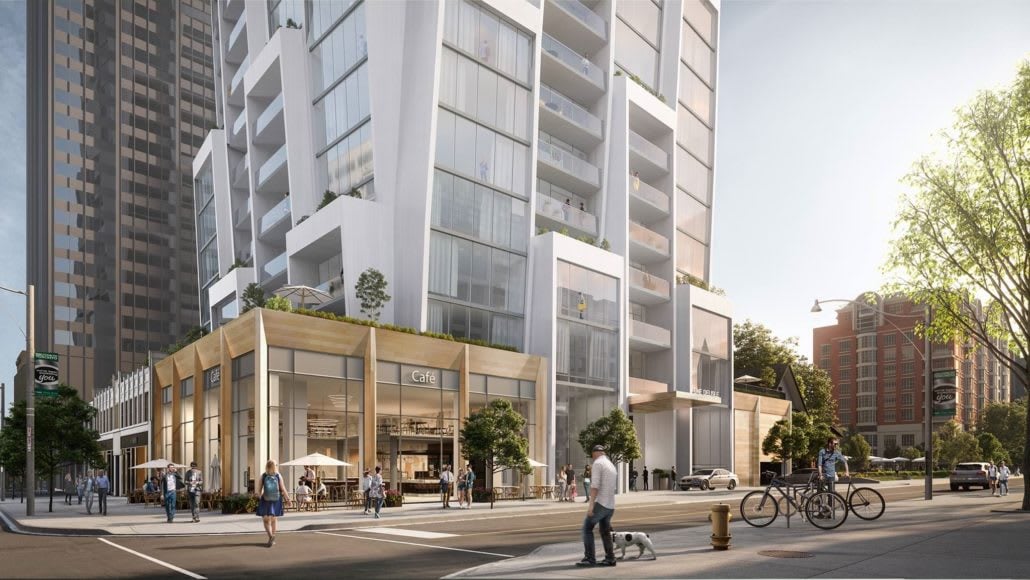
Liberty Village is a dense, condo-focused pocket just west of downtown Toronto with strong appeal for professionals who value walkability, transit access, and local amenities. The neighborhood’s mix of fitness studios, eateries, cycling routes, and nearby GO and UP Express connections supports steady rental demand. Remote and hybrid work patterns also influence what renters want, especially layouts with a defined workspace.
From an investor perspective, supply is mostly mid to low-rise condo buildings from the 2000s and 2010s, so competitive positioning happens at the unit level. Keep an eye on nearby condo completions and downtown pipelines, since new deliveries can add short-term supply that may lengthen days on market.
What rents fastest by unit type
Junior 1 or studio
Studios can lease quickly when priced well, particularly for renters who prioritize location and value. The tradeoff is a narrower tenant pool for those who need a dedicated work area or plan to share the space. Expect higher turnover compared with larger units, which can add wear and recurring leasing costs.
True 1-bedroom
A true 1-bedroom is the core product in Liberty Village and often offers the most consistent demand. The balance of privacy and affordability works for a broad set of renters. Units with efficient layouts and in-suite laundry usually move faster and reduce vacancy risk compared with studios.
1-bedroom plus den
If the den functions as a real office, these units often rent faster than comparable 1-bedrooms without a flexible space. A den with a door or clearly defined work area is attractive to remote or hybrid workers and can support a meaningful premium. Be cautious when the den is small or internal with no window, which can reduce the appeal.
2-bedroom
Two-bedrooms serve couples seeking extra space, roommates who split rent per bedroom, and some small families. Demand can be strong when priced per bedroom, though the higher overall rent narrows the audience. DOM may extend if priced above market, so accurate comping and positioning are key.
Features that speed up leasing
Layout and WFH suitability
The strongest differentiator since 2020 is a layout that supports focused work. A den that functions as an office, a second room, or even a well-lit alcove increases demand and can extend lease lengths. Natural light helps, and a separable space is usually preferred over a fully open concept for WFH tenants.
Finishes and appliances
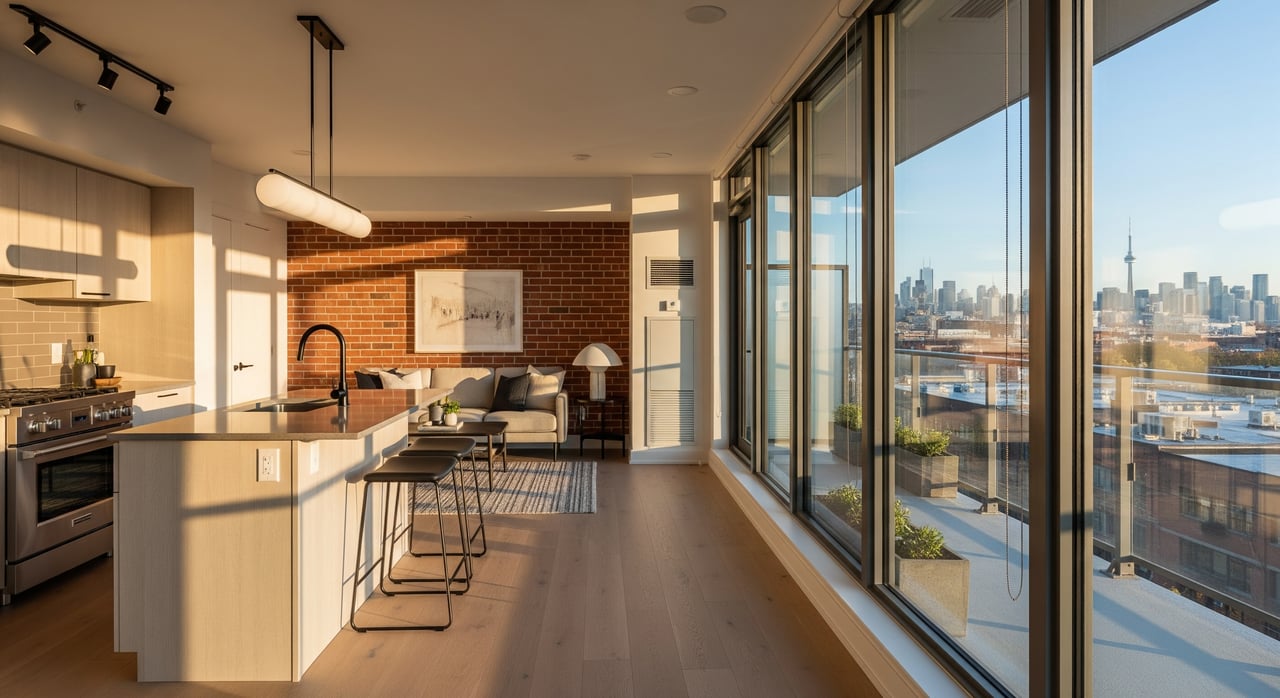
Updated kitchens with stone counters, a dishwasher, and in-suite laundry improve marketability and can lift rents relative to older stock. That said, finishes alone rarely offset a poor layout. Presentation matters: clean paint, good lighting, and strong photography can shorten time on market even for mid-range finishes.
Floor, exposure, and outdoor space
Mid to higher floors often lease faster due to views and perceived quiet. Units with patios on lower floors can also attract interest, especially from renters who value outdoor access. Private outdoor space is a notable plus in urban settings and can help you stand out.
Amenities and building management
Concierge service, gym, secure parcel rooms, bike storage, and pet-friendly rules all expand your tenant pool. Strong property management and responsive maintenance reduce turnover and support positive reviews among renters.
Parking and storage premiums
Parking is valuable in Liberty Village due to limited street parking. Many investors list a price with and without a parking stall to capture both audiences. Storage lockers are sought after by renters with bikes or seasonal items, and can shorten DOM when available. When allowed, renting a parking stall separately can be a steady ancillary revenue stream.
Pricing and marketing to shorten DOM
- Price against recent leased comps, not just today’s asking rents. Overpricing usually prolongs DOM and can reduce net yield after carrying costs.
- Highlight functional workspaces clearly in your listing copy, photos, and floor plans. Show how the den or alcove supports WFH.
- Use professional photography and a clean, neutral presentation. Staging small spaces can signal livability and help tenants visualize.
- Offer simple tour logistics and fast response times. Clarity on pet policies also speeds decision-making for a large segment of renters.
- If your audience includes temporary corporate tenants, consider furnishing studios or 1-beds. That can reduce DOM but requires more management.
How to measure DOM and premiums
You can track leasing velocity and premiums using multiple data sources, then triangulate a realistic picture.
- Days on market methodology. Pull a rolling 6 to 12 months of rental transactions by unit type in Liberty Village. Compare median DOM for studios, true 1-beds, 1+dens, and 2-beds. Adjust for seasonality since activity often rises in Q2 and Q3.
- Cross-check sources. Use MLS rental history and brokerage rental feeds for leased transactions and DOM. Supplement with active listing data from rental platforms and property managers for context on asking rents and incentives. Confirm concessions to understand net effective rent.
- Estimate WFH premiums. Compare 1-beds with and without dens in the same building or block. Normalize by size using rent per square foot, then control for finishes and floor. Note whether the den is windowed and usable as a closed office.
- Price parking and lockers. Check recent stall rentals and building-level norms through managers or recent listings to estimate a monthly parking rate. Consider reporting the stall cost as a percent of the base rent for clearer yield planning.
Risk checks before you buy or list
- New supply. Track nearby condo completions that can increase short-term rental inventory and lengthen DOM.
- Building governance. Review the status certificate and bylaws for rental restrictions, parking allocations, reserve fund health, and any special assessments.
- Policy landscape. Confirm current Ontario tenancy rules for rent increases and evictions. Policy shifts can affect income stability and turnover costs.
- Employer and commute trends. Monitor office location changes and transit developments that might shift demand between micro-markets.
- Seasonality. Lean into higher-demand periods for listing when possible. Adjust expectations during slower months.
A practical workflow for one unit
Step 1: Gather comps
Pull the last 6 to 12 months of Liberty Village leased units by size and type. Record list and lease rents, DOM, concessions, included parking, and utilities.
Step 2: Adjust for attributes
Normalize by rent per square foot and adjust for floor level, balcony or patio, WFH layout, in-suite laundry, finishes, and parking or locker inclusion. Note whether the den is windowed and has a door.
Step 3: Confirm building constraints
Obtain the status certificate to confirm rental rules, parking availability, reserve fund details, and upcoming assessments. Ask the property manager about average turnover timelines and locker or parking wait lists.
Step 4: Market the unit optimally
Price to the most recent leased comps. Feature WFH capability prominently, and consider listing with and without parking to widen your audience. Choose a lease length that balances income stability with flexibility.
Step 5: Monitor and iterate
Track showings and feedback. If activity is slow after a set period, adjust price, timing, or incentives. Keep trusted local contacts for quick re-listing or tenant placement.
Investor takeaways for Liberty Village
- Expect the most reliable velocity from true 1-bedrooms and well-configured 1+dens, especially when the den works as a real office.
- Studios can rent fast when value-focused renters are active, but turnover is usually higher. Two-bedrooms perform well when positioned per bedroom or for small families and couples, though pricing must be precise.
- Layout and WFH usability matter more than luxury finishes alone. In-suite laundry, outdoor space, and natural light help units stand out.
- Parking and storage are meaningful levers. Market them clearly and consider separate pricing when appropriate.
- Always triangulate asking rents with leased data, and adjust for seasonality and concessions to protect yield.
When you want a clear, building-by-building view of Liberty Village rental velocity and pricing strategy, connect with Penthouse Queen for confidential guidance. Our team combines boutique, founder-led service with data-driven positioning so you can protect yield and reduce vacancy. Request private access through Penthouse Queen for a discreet conversation about your investment goals.
FAQs
Which Liberty Village unit types usually lease the fastest?
- True 1-bedrooms and 1+dens with usable offices typically show the most consistent demand, with studios and 2-bedrooms performing well when priced and positioned for their target audiences.
How important is a den for work-from-home in Liberty Village rentals?
- A den that functions as an office, ideally with a door and natural light, often commands a premium and can reduce DOM versus comparable 1-bedrooms without a flexible workspace.
Do parking stalls and storage lockers impact leasing speed in Liberty Village?
- Yes. Assigned parking adds value in an area with constrained street parking, and lockers appeal to renters with bikes or seasonal items, both of which can shorten DOM.
What is the best way to set rent to minimize vacancy risk in Liberty Village?
- Price against recent leased comps, not just active listings, and adjust for layout, finishes, floor, outdoor space, and parking or locker inclusion to stay competitive.
How can I measure days on market for a specific Liberty Village building?
- Pull 6 to 12 months of leased transactions by unit type from MLS and property managers, calculate median DOM, and control for seasonality, incentives, and presentation quality.
What building factors should I review before buying an investment unit in Liberty Village?
- Check the status certificate for rental rules, parking allocations, and reserve fund health, and ask property management about turnover timelines and any locker or parking wait lists.