Luxury real estate has long been associated with price as a proxy for value. The higher the price tag, the assumption goes, the more secure the investment.
But in today’s market, that assumption is increasingly flawed.
The reality is that not all luxury holds value equally — and in some cases, the most expensive properties can be the most vulnerable over time.
True long-term value in luxury real estate is driven by fundamentals that go far beyond finishes or square footage.
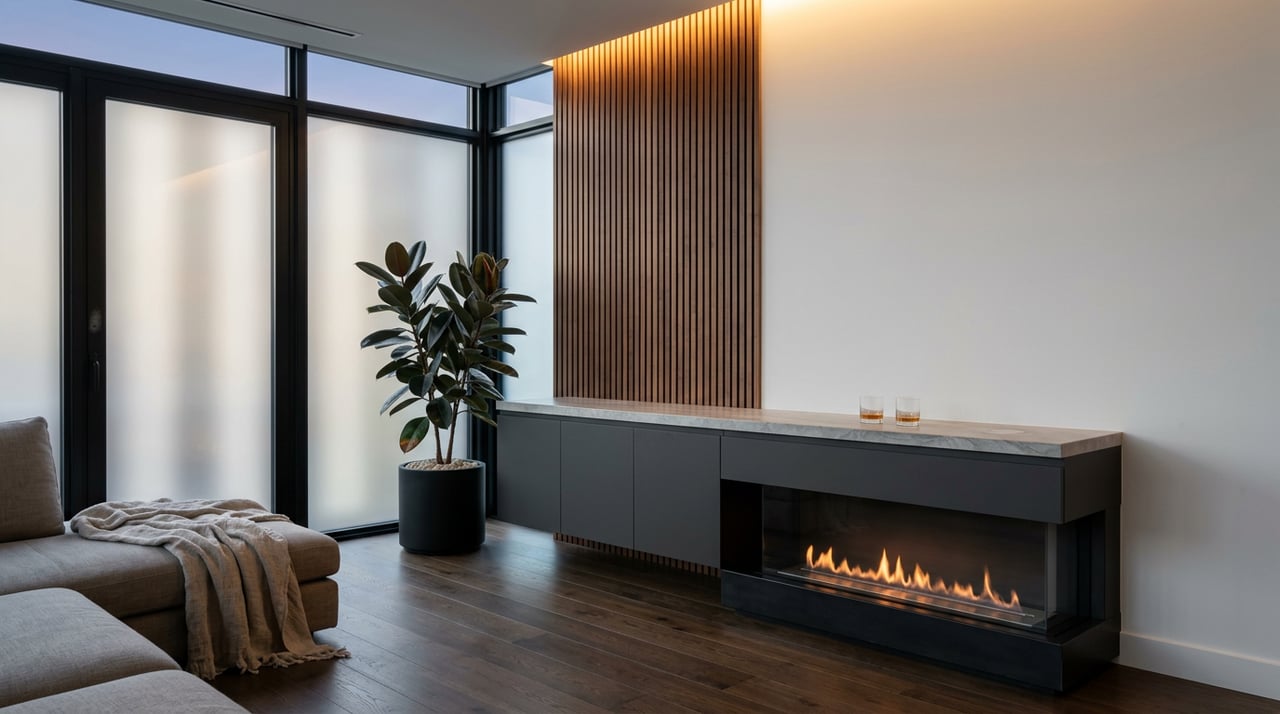
Layout is one of the most underestimated drivers of value. A well-proportioned, functional floor plan with proper separation of space will always outperform a larger but poorly designed unit. Buyers at the top of the market are not simply purchasing space — they are purchasing livability.
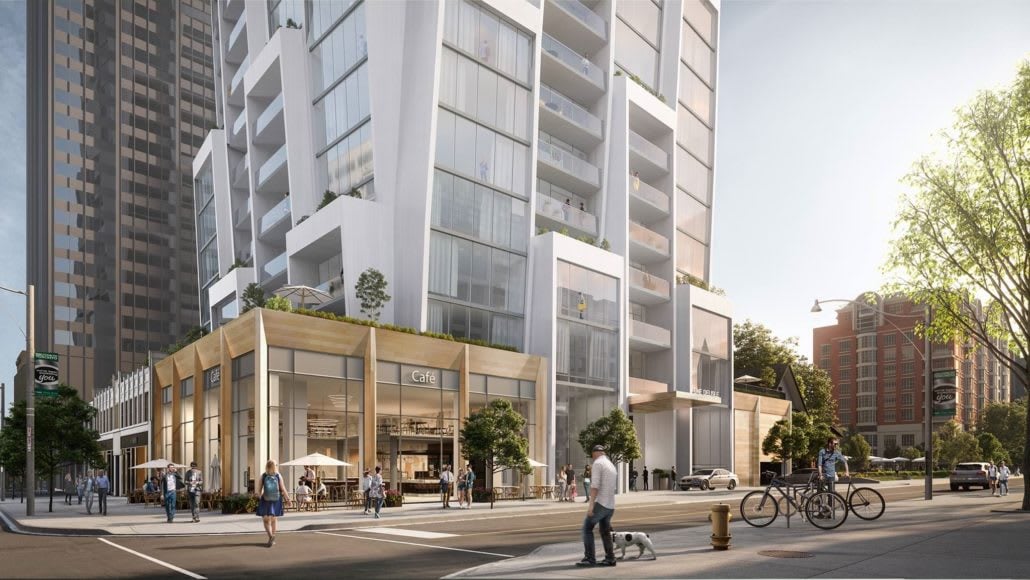
Exposure and view protection are equally critical. A south-facing unobstructed view over a protected skyline will command a premium not just today, but years into the future. In contrast, a unit in a rapidly developing pocket with no view protection may face future obstruction — directly impacting resale value.
Building governance is another factor that sophisticated buyers are increasingly scrutinizing. Strong reserve funds, transparent management, and disciplined maintenance planning contribute to long-term stability. Poor governance, on the other hand, introduces risk — regardless of how impressive the finishes may be.
And then there is the issue of overbuilding. In markets where luxury supply outpaces demand, even high-end properties can struggle to maintain their value. Scarcity — not scale — is what ultimately protects pricing.
The most strategic buyers understand this.
They are not simply asking, “Is this expensive?”
They are asking, “Will this still be desirable in 10 years?”
That is the difference between buying luxury — and investing in it.