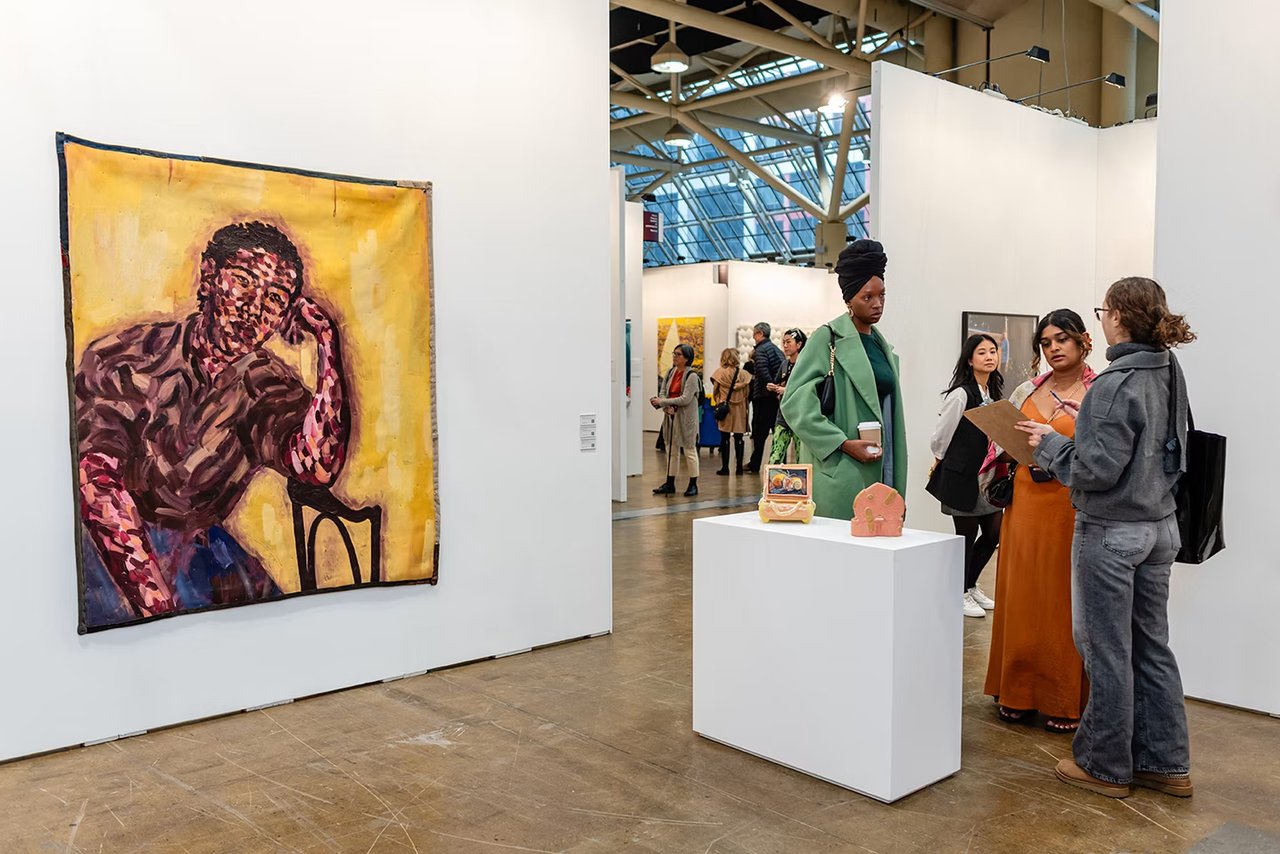
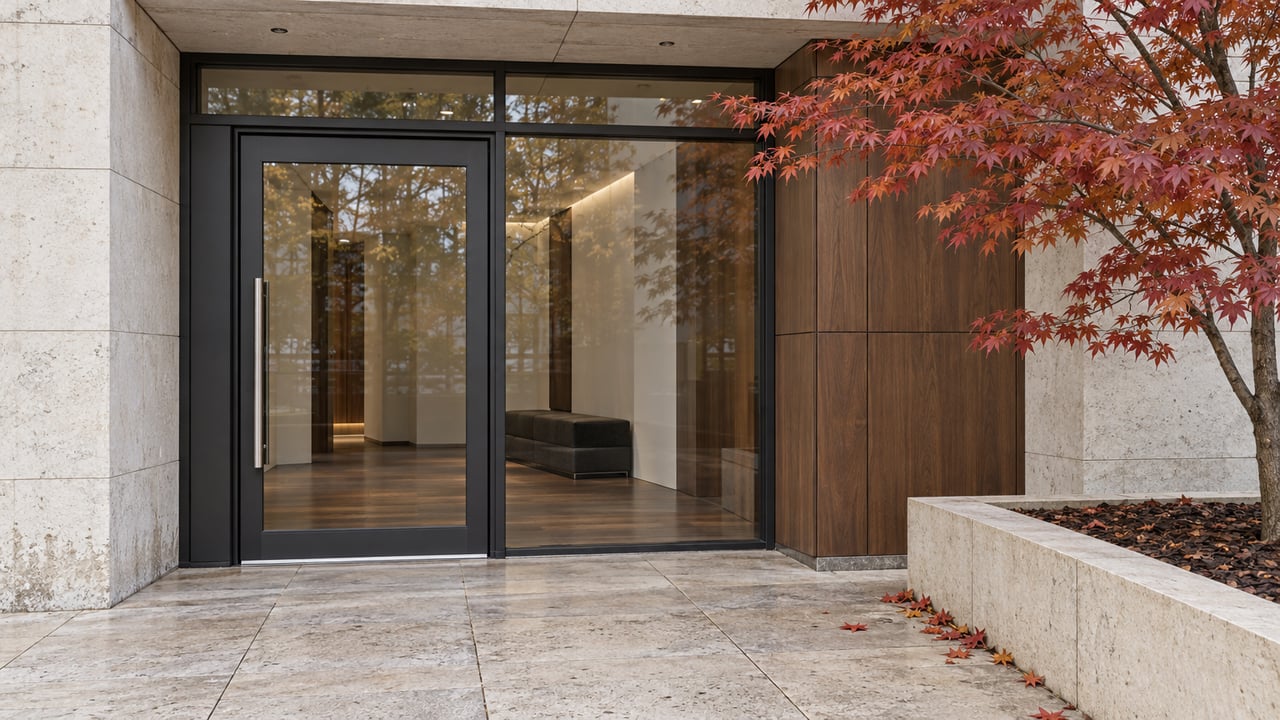
There is a meaningful difference between placing art in a home and designing a home around a collection. For a serious collector, paintings, sculpture and collectible design are not finishing touches brought in after the furniture has been selected. They are part of the architecture of the home itself, influencing everything from lighting and sightlines to furniture placement and the way someone moves from one room to another.
A penthouse presents an especially interesting setting for this kind of design. Expansive windows, soaring ceilings and open floor plans offer extraordinary opportunities for displaying art, but they also introduce competition. When Toronto's skyline or Lake Ontario fills an entire wall of glass, the interior already has a powerful visual presence. Designing for a collection therefore becomes an exercise in balance, allowing the art, architecture and view to exist together without any one element overwhelming the others.
Designing From the Collection Out
In a conventional interior, the furniture plan often comes first. The designer determines where the sofa belongs, how the dining room will function and what pieces are needed to complete each space. When an important collection is involved, that process can be reversed.
A large-scale painting may require an uninterrupted wall and enough distance to appreciate it properly. A sculpture might need to be visible from several rooms, changing as you move around it. A series of works may be more compelling when displayed together rather than distributed throughout the residence. Understanding these relationships early allows the collection to influence the architecture naturally instead of forcing the art into whatever space happens to remain.
This doesn't mean every room should be organized around a single work. In fact, some of the most sophisticated collector homes are remarkably restrained. Giving an important painting an entire wall, rather than surrounding it with other pieces, can make it considerably more powerful. Empty space becomes part of the composition, particularly in a penthouse where the windows, materials and city beyond already provide plenty of visual interest.
When the View Is Part of the Collection
The relationship between art and the view is one of the most fascinating considerations in a penthouse. During the day, the skyline may dominate the residence. By evening, it becomes darker and more atmospheric, allowing the artwork inside to take on a completely different presence.
Rather than attempting to compete with the view, thoughtful interiors create a dialogue between the two. A sculpture placed near a window can be silhouetted against the sky, changing in appearance as the light moves throughout the day. A significant painting on an adjacent interior wall can provide a more intimate focal point, drawing attention back into the room after the eye has travelled toward the horizon.
Furniture placement matters for the same reason. The objective isn't necessarily to point every seat toward the windows. A beautifully arranged seating area can allow someone to experience both the collection and the city, creating different perspectives depending on where they sit. In the most successful spaces, the view doesn't overpower the art and the art doesn't attempt to overpower the view.
Light Becomes Part of the Design
For collectors, natural light is both an asset and a consideration. The abundance of daylight that makes a penthouse so desirable can also be challenging for paintings, photography, works on paper, textiles and other light-sensitive pieces. Designing around a collection therefore requires more than simply finding the most attractive place to hang something.
Window treatments, UV exposure and the direction of natural light all become important. Motorized shades can protect sensitive works during the brightest parts of the day while preserving the openness of the residence at other times. After sunset, adjustable architectural lighting and discreet picture lights can bring individual works forward without making the home feel like a commercial gallery.
This is where residential design differs so beautifully from a museum. The lighting needs to protect and illuminate the collection, but it also needs to make the dining room inviting at dinner and the living room comfortable late at night. The art is important, but the home still has to be lived in.
Art Beyond the Gallery Wall
A great collection doesn't need to be confined to paintings hanging at eye level. Sculpture, ceramics, photography and collectible furniture can create a much richer relationship between art and the home. A sculptural chair can be both functional and significant. A ceramic piece on a console can have as much presence as something framed on the wall. Even the furniture itself can become part of the collection when pieces are chosen for their design history, craftsmanship or rarity.
There is also something appealing about encountering art in less expected places. A small work in a powder room, a photograph at the end of a corridor or a sculpture positioned where it becomes visible as soon as the elevator doors open can be more memorable than placing every important piece in the formal living room.
These quieter moments prevent the residence from feeling staged. They allow the collection to unfold gradually and make art part of everyday life rather than something reserved for the spaces guests are expected to see.
A Collection Should Feel Collected
Perhaps the greatest difference between an art-filled home and a collector's home is that the latter rarely looks as though everything was acquired at once. Meaningful collections develop over years, sometimes decades, and often reflect different periods in a person's life.
A work discovered while travelling may eventually hang beside a piece by an artist the collector supported early in their career. Something inherited may coexist with a contemporary acquisition. Tastes evolve, interests change and new pieces alter the way older ones are seen. That history is precisely what gives a collection its character.
It is also why designing a home around art should never become an exercise in matching. The painting does not need to coordinate perfectly with the sofa, nor should every object belong to the same aesthetic period. When everything is selected to work too perfectly together, the home can begin to resemble a showroom. A genuine collection introduces tension, history and personality.
Living With Art
For all the consideration that goes into displaying an important collection, a private home should never feel like a museum. The privilege of collecting art is not simply owning it. It is being able to live with it.
A painting changes when you see it every morning rather than once in a gallery. A sculpture becomes familiar as you pass it on the way to dinner. Guests gather beneath works that eventually become associated with particular evenings, conversations and memories. Over time, the collection becomes part of the rhythm of the home.
That may be the most interesting luxury of designing a residence around art. A spectacular penthouse can be completed in a matter of months, but a meaningful collection cannot be manufactured on the same timeline. It develops slowly, revealing something about where its owner has been, what has captured their attention and how their taste has changed.
The architecture provides the space, the windows provide the light and Toronto provides an extraordinary backdrop. But it is the collection, built piece by piece and story by story, that ultimately makes the home impossible to replicate.
Art, Design and Life at the Top
At Penthouse Queen, we explore extraordinary living beyond the address itself, from architecture and interiors to art, culture and the people shaping the way we live.
Because the most memorable homes aren't simply beautifully designed. They feel as though they could belong to no one else.